
Different tasks require different checks
A report on a vessel may assess hull condition, machinery operation, repair quality or movement circumstances. Before reviewing it, the disputed issue needs to be identified. Structural damage, completeness of a repair schedule and the relative positions of vessels are checked by different methods, so general disagreement with the document is insufficient.
It is useful to select specific conclusions and note the pages describing their grounds. If a document concludes the cause of damage, it is important to understand which signs were examined directly, what was taken from records and what participants reported. This helps distinguish a verifiable fact from an initial assumption.
Check access to the part examined
For a hull, it matters whether the vessel was inspected afloat or in dock and whether cavities and the underwater portion were accessible. A conclusion about a structure must correspond to the actual inspection boundaries. The absence of visible damage on an accessible surface does not automatically establish the condition of concealed elements.
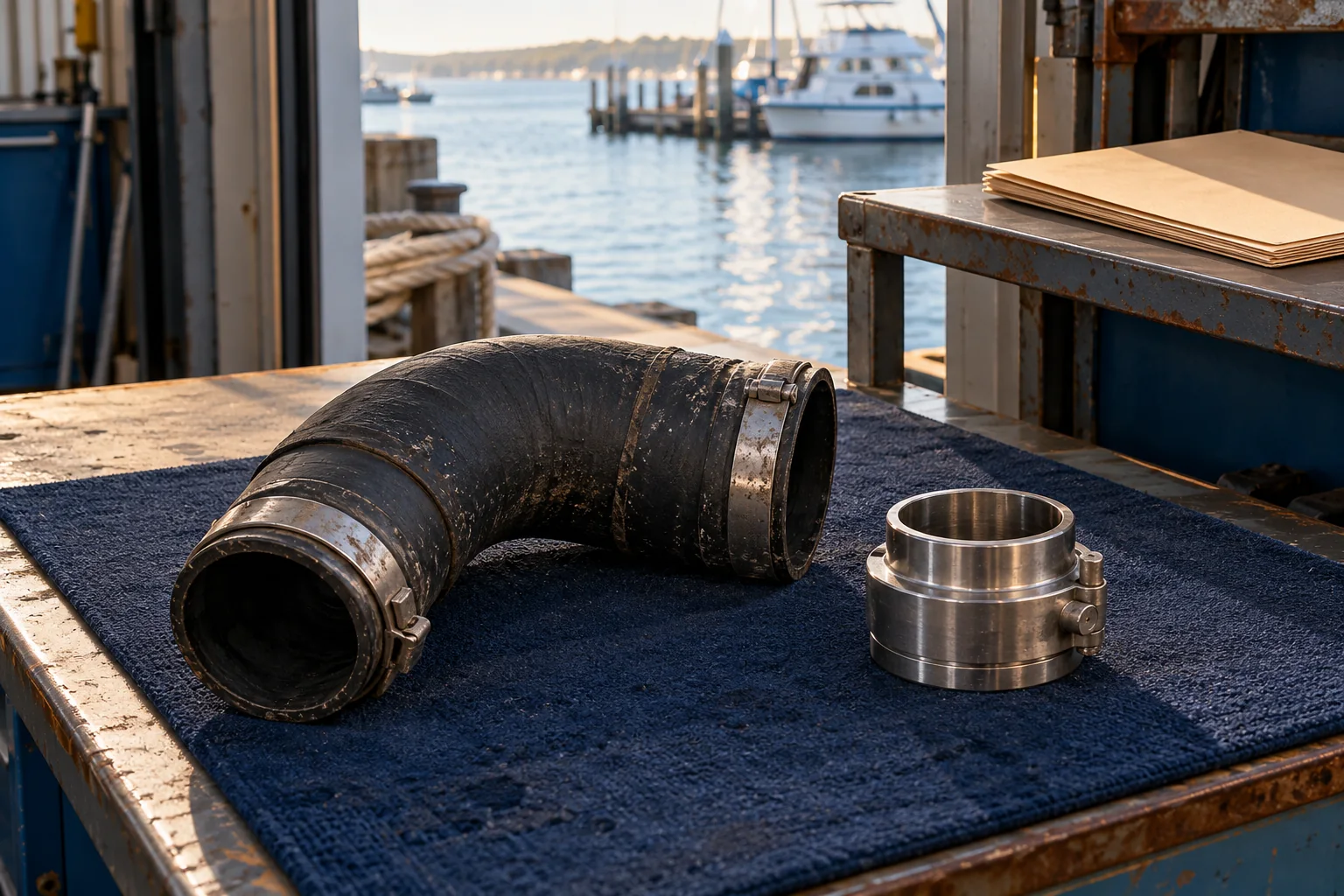
For machinery, the conditions of defect assessment and testing play a similar role. It is necessary to know whether dismantling occurred, under which conditions the equipment operated and which documents supplied comparison criteria. Photographs of a removed component should be linked to a particular unit, installation location and handling history.
Trace repairs and changes to the object
After an incident, a vessel may undergo temporary repairs, docking or replacement of damaged components. If the researcher inspects an object already changed, this must be considered. Original records, photographs, schedules and retained components allow some circumstances to be checked, but do not always fully reproduce the initial condition.
In a repair dispute, the reviewer compares contractual requirements, working drawings, records of operations performed and the established result. They separately check whether a comment concerns agreed work and whether the data are sufficient for the proposed remedial method. A general defect list without this comparison may fail to answer the question posed.
Assess navigation data without undue certainty
Reconstructing an event requires attention to the coordinate system, time sources, recording frequency and completeness. A publicly displayed route is not the same as a continuously accurate track. Missing messages and clock differences can affect the sequence of manoeuvres, so these circumstances must be considered in calculations and interpretation.
Check whether navigation data were compared with vessel logs, weather, hydrology, diagrams and other materials. If a conclusion depends on a single incomplete source, it is useful to establish its limitations and test alternative explanations. The certainty of the result must correspond to the quality and sufficiency of input data.
Gather materials for review
Prepare the entire report, appendices, calculations, original questions and vessel documents. For the navigation part, original files are preferable to embedded graphs alone. For repairs, provide the contract, schedules, records and information on changes. Identify the precise questions for which you expect a technical answer.
A review helps show methodological shortcomings, their significance and the need for further checking. It does not automatically become a new inspection of concealed structures or an official incident investigation. Where new measurements or access to the vessel are required, these form a separate programme agreed with the owner and appropriate personnel.